

On-Page SEO is the process of optimizing individual web pages to improve their visibility in search engine results. It focuses on the content, structure, and elements that are directly controlled within a webpage. A well-optimized page helps search engines understand the topic while providing a better experience for visitors. Learning On-Page SEO is an important step toward building a search-friendly website.
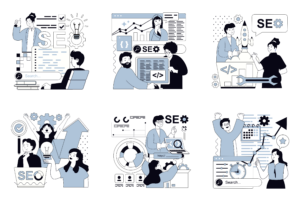
What is On-Page SEO?
On-Page SEO refers to all the optimization activities performed directly on a webpage. This includes improving content, headings, keywords, images, URLs, and other page elements. The goal is to make the page more useful for users and easier for search engines to understand. Good On-Page SEO supports better search visibility over time.
Why is On-Page SEO Important?
Search engines analyze webpage content before deciding where it should appear in search results. Proper optimization helps them understand the purpose and relevance of a page. It also improves readability, user experience, and overall website quality. A well-optimized page has a better chance of attracting organic traffic.
On-Page SEO and High-Quality Content
High-quality content is a core part of effective On-Page SEO. Every page should provide accurate, useful, and original information that answers the user's questions. Well-written content keeps visitors engaged and encourages them to explore more pages. Valuable content also builds trust with both users and search engines.
Using Headings and Keywords Properly
Keywords should be used naturally within headings and throughout the content to describe the page's topic. To understand how keywords are identified and selected, learn more about keyword research.
Page Title and Meta Description
The page title and meta description are often the first things users see in search results. A clear and descriptive title explains the page's topic, while the meta description encourages users to click. Both should accurately represent the content of the page. Well-optimized titles improve visibility and click-through rates.
On-Page SEO: Improving Images and URLs
Images should be clear, relevant, and optimized for fast loading. Using descriptive file names and alt text helps search engines understand image content. URLs should be short, simple, and easy to read while describing the page topic. These small improvements contribute to a better user experience and stronger SEO.
Providing a Better User Experience
A successful webpage is not only optimized for search engines but also for visitors. Fast loading speed, mobile-friendly design, easy navigation, and readable content all improve user experience. When users enjoy browsing a website, they are more likely to stay longer and return in the future. A positive user experience supports long-term SEO success.
A positive user experience supports long-term SEO success.
For more information about SEO and how Google Search works, visit the official Google Search Central documentation.
On-Page SEO helps improve both search engine visibility and user experience by optimizing the content and structure of individual web pages. From quality content and proper keyword usage to optimized titles and images, every element plays an important role. Mastering On-Page SEO creates a strong foundation for achieving better rankings and sustainable website growth.
More from our blog
See all posts

Recent Posts
- How to Start an Online Business: What You Need to Know August 5, 2026
- What is On-Page SEO? A Beginner's Guide August 5, 2026
- What is Keyword Research? A Beginner's Guide August 5, 2026

Pingback: What Is SEO? A Beginner’s Guide to Search Engine Optimization